Getting your kids into STEM: the power and importance of programming for children
As we increasingly move into an era dominated by technology, it’s becoming more crucial to equip our kids with the skills they need to thrive in this new world. One of these vital skills is programming. Although it may seem like a complex and daunting task, introducing kids to programming can be remarkably easy and fun, especially when we tap into the right resources.
The importance of programming
In today’s digital age, computer programming has become a fundamental skill. It’s not just about creating the next generation of software developers but also about fostering critical thinking, problem-solving, creativity, and collaboration – skills that are valuable, irrespective of the career path a child chooses in the future.
By learning to code, kids can understand and participate in the world around them that is becoming increasingly digitized and data-driven. Coding can also enhance their creativity as they learn to create their own games, animations, and interactive stories.
Introducing kids to programming
While programming may seem like a difficult task, it doesn’t have to be. Children thrive when learning is fun and interactive, so turning it into a game can make the process much more enjoyable. It’s here that platforms like Game Creators Club can be particularly handy.
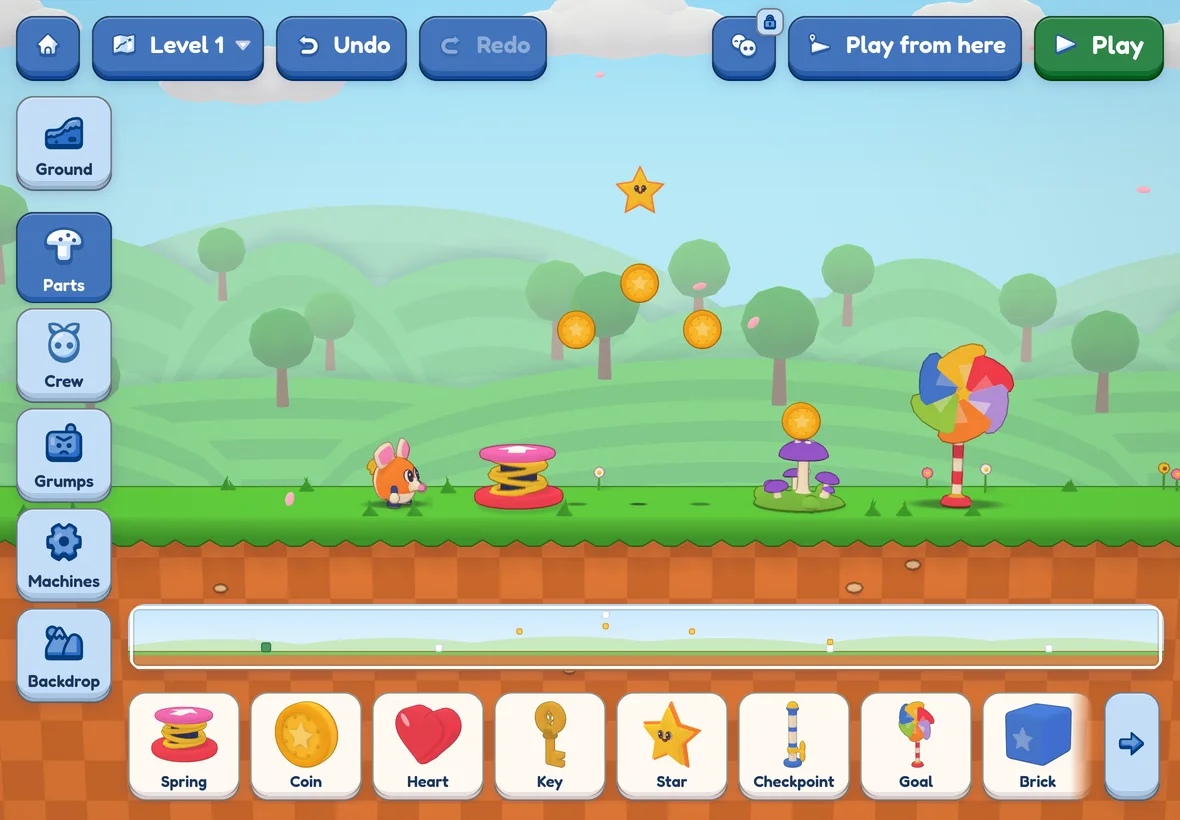
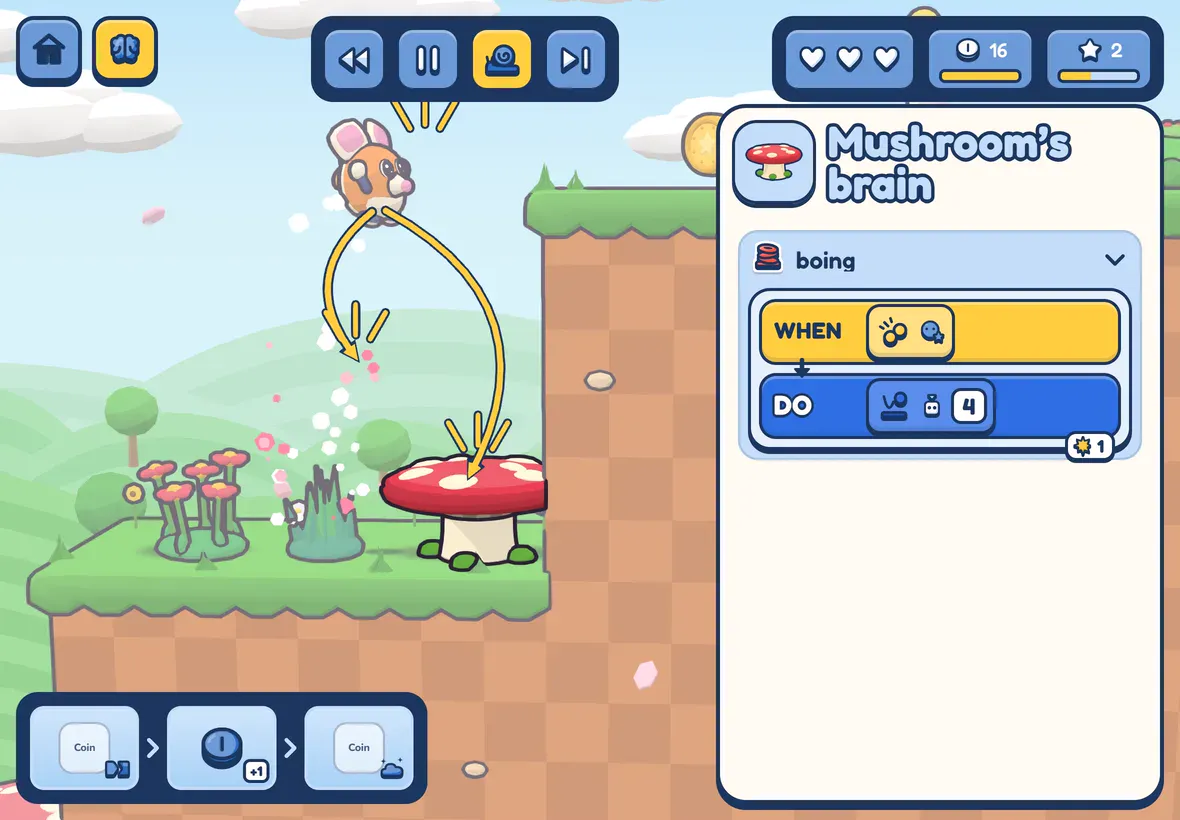
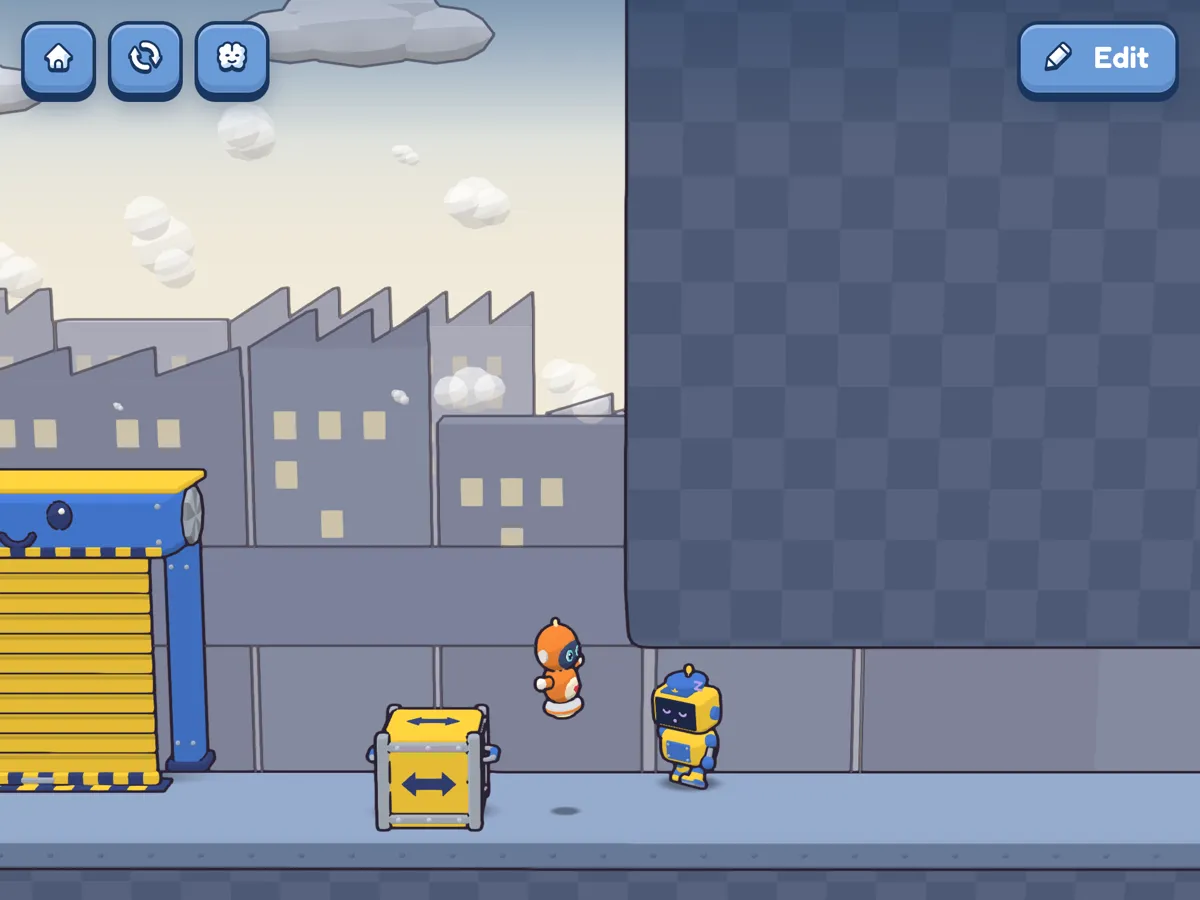
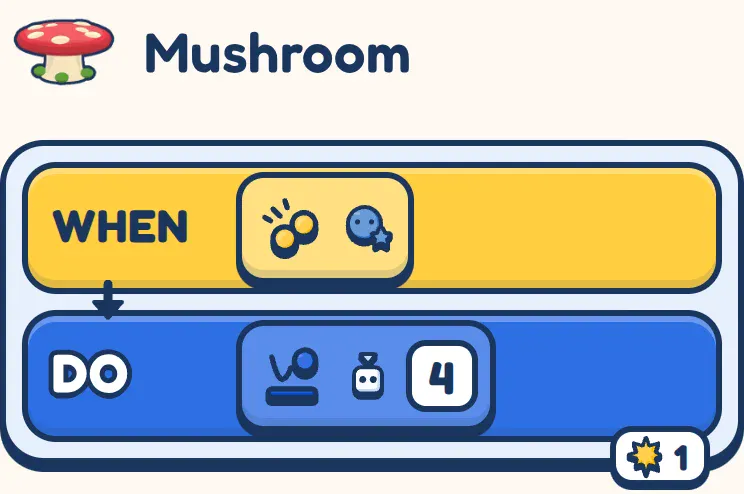
Game Creators Club is an app for kids 5 to 9 on iPad, iPhone and the web, made for children who can’t read code yet. Its rules are picture tiles a child can read and change, and every change shows in the game at once, so kids learn events, loops and if-statements by making a game do something. They play a real level, fix what’s broken, and then make games of their own.
Conclusion
In conclusion, getting your kids into STEM, specifically through programming, doesn’t have to be a daunting task. Through resources like Game Creators Club, you can make learning fun and interactive, setting your child up for success in an increasingly digital future. Give it a try and watch as your kid transitions from a passive consumer of technology to an active, creative participant.